

More Options for Controlling Glaucoma
Managing glaucoma often begins with medications or laser treatment—but sometimes your eyes need another approach.
If eye pressure remains too high, glaucoma continues to progress, or managing daily eye drops has become difficult, glaucoma surgery may be an option to help better control your eye pressure and protect your remaining vision.
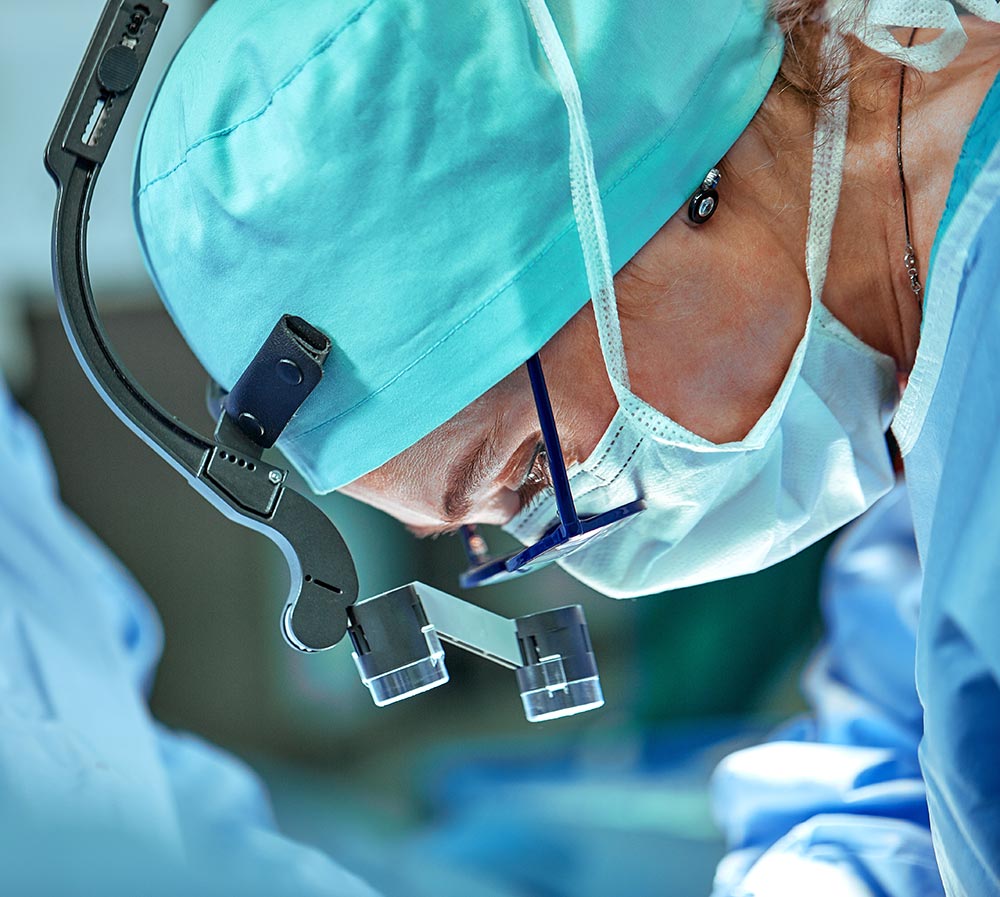
At Holmdel Eye Center, Dr. Ahmed Abdelhady offers surgical glaucoma care, including minimally invasive glaucoma surgery (MIGS), with treatment tailored to your type of glaucoma, its severity, and your individual eye health.
When Is It Time to Consider Glaucoma Surgery?
There isn’t one point at which every patient with glaucoma needs surgery.
For many people, prescription eye drops or laser treatment successfully control eye pressure for years. For others, pressure remains higher than desired or the disease continues to progress despite treatment.
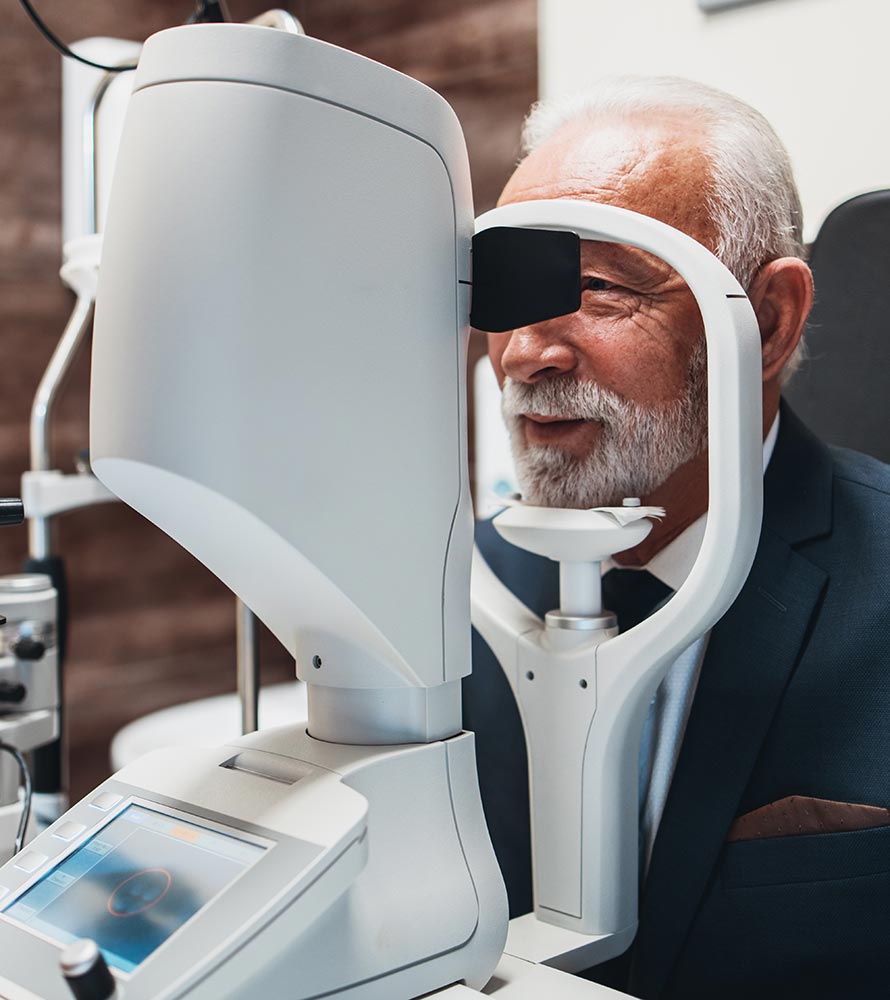
The decision isn’t based on eye pressure alone. Dr. Abdelhady will look at the complete picture—including your optic nerve, visual field, previous treatments, and how quickly your glaucoma is changing—to determine whether surgery should be considered.
Surgery may be considered when:
- Eye drops aren’t lowering your pressure enough
- Glaucoma continues to progress despite treatment
- You need several medications to control your eye pressure
- Side effects make glaucoma drops difficult to tolerate
- Using drops consistently has become challenging
- You have both glaucoma and cataracts
- Your glaucoma requires more significant pressure reduction
What Is MIGS?
MIGS stands for minimally invasive glaucoma surgery, a group of procedures designed to improve the way fluid drains from the eye and help lower intraocular pressure.
Traditional glaucoma surgeries can be very effective, particularly for advanced disease, but they are more invasive and generally require a longer recovery.
MIGS procedures use very small incisions and are designed to minimize disruption to the eye. For appropriately selected patients, this can mean a less invasive approach to controlling glaucoma with a relatively quick recovery.
The goal is the same as any glaucoma treatment:
Lower eye pressure to help protect the optic nerve and preserve your remaining vision.
Can MIGS Reduce My Need for Eye Drops?
For some patients, yes.
Reducing the number of glaucoma medications you need may be one potential benefit of MIGS. This can be especially meaningful if you currently use several drops each day, experience medication side effects, or simply find it difficult to maintain a complicated drop schedule.
However, MIGS does not guarantee that you will be able to stop using glaucoma medication completely.
Some patients may need fewer medications after surgery, while others may still require drops to keep their eye pressure at a safe level.
Dr. Abdelhady will help you set realistic expectations based on your glaucoma and the procedure being considered.
Cataract Surgery + MIGS
Treating Two Eye Conditions at the Same Time
Cataracts and glaucoma become more common with age, so it’s not unusual to have both conditions at the same time.
For certain patients with glaucoma who are already planning cataract surgery, a MIGS procedure may be performed during the same surgery.
This creates an opportunity to address two different issues:
Cataract surgery removes the cloudy natural lens to restore clearer vision.
MIGS helps improve fluid drainage from the eye to lower eye pressure.
Combining the procedures may help some patients better control their glaucoma while potentially reducing their dependence on glaucoma medication.
If you have cataracts and glaucoma, Dr. Abdelhady can evaluate whether combining cataract surgery with MIGS makes sense for your eyes.
What Happens During MIGS?
The exact procedure depends on the type of MIGS recommended for you.
In general, MIGS procedures work by creating or improving a pathway for fluid to leave the eye. This helps reduce the buildup of fluid that contributes to elevated eye pressure.
Some procedures use microscopic devices or stents, while others work directly with the eye’s natural drainage system.
Because there are different MIGS approaches, the right procedure depends on several factors, including:
- Your type of glaucoma
- How advanced your glaucoma is
- Your current eye pressure
- Your target eye pressure
- Medications you’re currently using
- Previous glaucoma treatments
- Whether you’re also having cataract surgery
There isn’t one glaucoma procedure that’s best for everyone. The goal is to choose the approach that makes the most sense for your eyes and your disease.
What If I Need More Than MIGS?
MIGS can be an excellent option for appropriately selected patients, but it isn’t the right treatment for every stage of glaucoma.
Patients with more advanced glaucoma or those who need a significant reduction in eye pressure may require a different type of glaucoma surgery.
Dr. Abdelhady will consider how much pressure reduction your eye needs and recommend the surgical approach most likely to protect your vision.
What’s important is that treatment can evolve with you.
You may begin with monitoring, move to medication or laser treatment, and eventually consider surgery if your glaucoma changes.
What to Expect After Glaucoma Surgery
Recovery varies depending on the type of glaucoma surgery you have.
Following MIGS, you may experience temporary blurry vision, irritation, or mild discomfort as your eye heals. You’ll use prescribed eye drops and return for follow-up appointments so Dr. Abdelhady can monitor your eye pressure and recovery.
It’s important not to make changes to your glaucoma medications on your own after surgery.
Dr. Abdelhady will let you know whether you should continue, reduce, or stop any of your existing medications based on how your eye responds.
And even after successful glaucoma surgery, regular monitoring remains important.
Surgery helps control glaucoma—it doesn’t eliminate the need to keep watching it.

Glaucoma Surgery Focused on Protecting Your Vision
The goal of glaucoma surgery isn’t simply to reach a certain number on an eye pressure test.
It’s to protect your vision for the years ahead.
Dr. Ahmed Abdelhady takes an individualized approach to glaucoma treatment, considering where your glaucoma is today, how it has changed over time, and which treatment offers the appropriate balance of pressure control and intervention.
Whether you’re exploring MIGS during cataract surgery or need a different surgical approach for glaucoma that isn’t adequately controlled, we’ll help you understand your options and what to expect.
MIGS & Glaucoma Surgery FAQs
What does MIGS stand for?
MIGS stands for minimally invasive glaucoma surgery. It refers to a group of surgical procedures that use small incisions and minimally disruptive techniques to help improve fluid drainage and lower pressure inside the eye.
Is MIGS the same as traditional glaucoma surgery?
No. MIGS procedures are generally less invasive than traditional glaucoma surgeries. They are often considered for patients with mild to moderate glaucoma, while more advanced glaucoma may require procedures capable of achieving greater reductions in eye pressure.
Can MIGS be performed with cataract surgery?
Yes, certain MIGS procedures can be performed at the same time as cataract surgery. For patients who have both cataracts and glaucoma, this may provide an opportunity to improve vision from cataracts while also addressing eye pressure.
Will I be able to stop my glaucoma drops after MIGS?
Possibly, but it cannot be guaranteed. Some patients are able to reduce the number of glaucoma medications they use after MIGS, while others still need medication to maintain their target eye pressure.
Does glaucoma surgery restore vision I’ve already lost?
No. Vision loss caused by glaucoma is permanent. Glaucoma surgery is intended to lower eye pressure and help prevent or slow additional optic nerve damage.
Will I still need glaucoma appointments after surgery?
Yes. Glaucoma is a chronic condition that requires ongoing monitoring even after successful surgery. Regular examinations allow Dr. Abdelhady to monitor your eye pressure, optic nerve, and vision over time.
Is It Time to Consider Another Approach to Your Glaucoma?
If your eye pressure isn’t where it needs to be, glaucoma is progressing, or you’re interested in reducing your dependence on daily eye drops, it may be time to explore your surgical options.
Dr. Abdelhady can evaluate your glaucoma and help determine whether MIGS or another glaucoma procedure may be appropriate for you.