
Healthy Vision Starts With Knowing What’s Happening Inside Your Eyes
You can see clearly and still have an eye health issue developing.
Many eye conditions begin with few—or even no—noticeable symptoms. A comprehensive eye exam looks beyond how well you can read an eye chart to evaluate the overall health of your eyes and identify changes that could affect your vision in the future.
At Holmdel Eye Center, Dr. Ahmed Abdelhady provides comprehensive medical eye exams for adults, combining advanced diagnostic technology with personalized care to help you understand your vision and protect your eye health.

More Than a Vision Check
A comprehensive eye exam is different from simply checking whether you need a new glasses prescription.
During a medical eye examination, Dr. Abdelhady evaluates the structures of your eyes and looks for signs of conditions such as cataracts, glaucoma, macular degeneration, diabetic eye disease, corneal disease, dry eye, and other eye health concerns.
Your exam is also an opportunity to talk about any changes you’ve noticed—even ones that may seem minor.
Blurred vision, glare, dryness, floaters, difficulty seeing at night, or simply feeling like your vision isn’t what it used to be can all be reasons to take a closer look.
When Should You Schedule an Eye Exam?
Sometimes the reason is simple: something about your vision has changed.
You may want to schedule a comprehensive eye examination if you’re experiencing:
- Blurry or changing vision
- Difficulty seeing at night
- Increased glare or halos around lights
- Eye pain or discomfort
- Persistent redness or irritation
- Dry, burning, or watery eyes
- New or increasing floaters
- Flashes of light
- Distorted or wavy vision
- Increased sensitivity to light
- Frequent changes in your glasses prescription
Regular medical eye care can also be particularly important if you have diabetes, a family history of eye disease, previous eye surgery or injury, or an existing condition that requires monitoring.
And even when your eyes feel completely normal, routine examinations can help identify changes before you notice them yourself.
What Happens During a Comprehensive Eye Exam?
Your visit is tailored to your eyes, symptoms, medical history, and individual risk factors.
Your examination may include:
Vision Testing
We’ll evaluate how clearly you see at different distances and identify changes in your vision.
Eye Pressure Testing
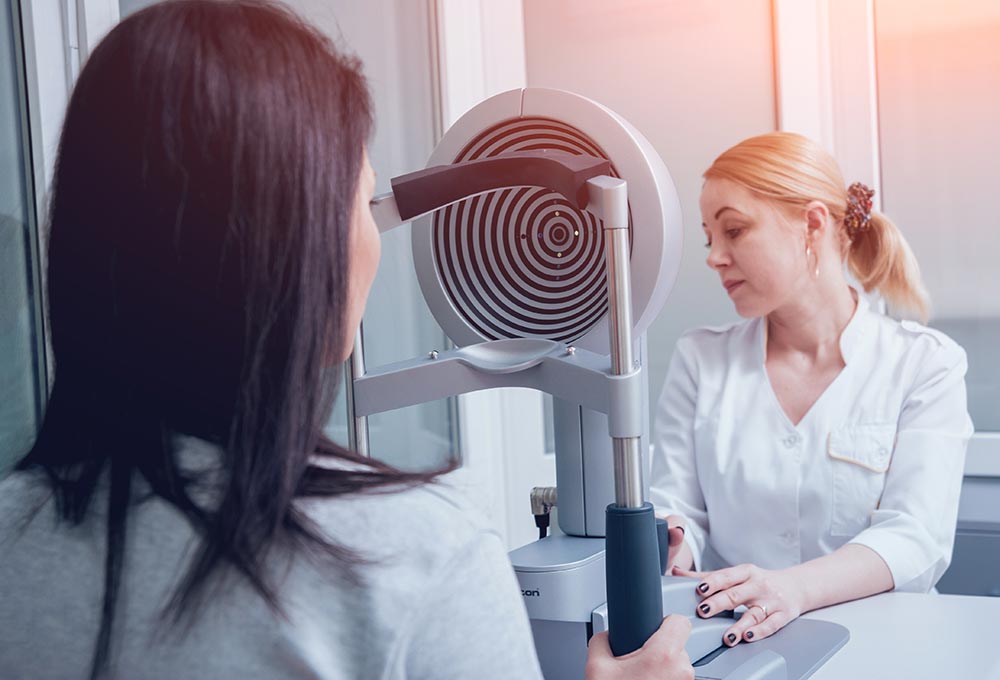
Measuring the pressure inside your eyes is an important part of evaluating your risk for glaucoma and monitoring patients who have already been diagnosed.
Examination of the Front of the Eye
Dr. Abdelhady can closely evaluate the cornea, iris, lens, and other structures at the front of your eye for signs of cataracts, corneal conditions, inflammation, dry eye, and other concerns.
Dilated Eye Examination
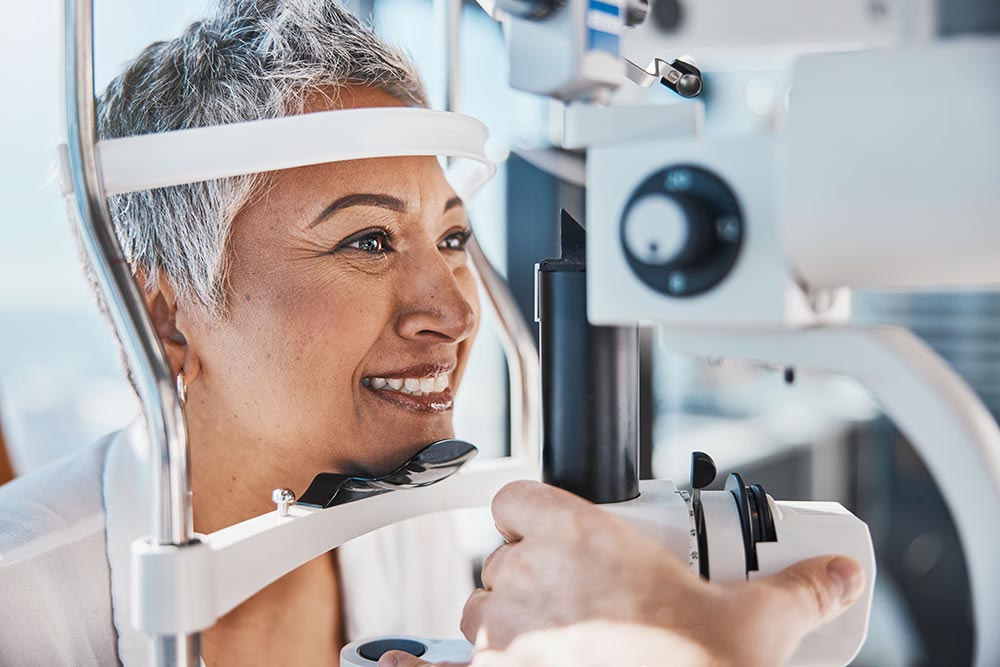
Dilating the pupils allows Dr. Abdelhady to get a more complete view of the retina and optic nerve at the back of the eye.
Advanced Diagnostic Testing
When appropriate, additional imaging or testing may be recommended to take an even closer look at specific structures within the eye or monitor changes over time.
Not every patient needs every test. Your examination will be based on what Dr. Abdelhady feels is appropriate for your individual eye health.
Your Eyes Can Tell Us About More Than Your Vision
The eyes provide a unique view of blood vessels, nerves, and other structures within the body.
That’s one reason comprehensive eye examinations can be particularly important for people living with conditions such as diabetes and high blood pressure.
Changes within the eye may develop before you notice a difference in your vision. Identifying those changes early gives you and your doctors more information to help manage both your eye health and your overall health.
If you have diabetes, regular dilated eye examinations are especially important for detecting diabetic retinopathy and other complications that can threaten vision.
What Happens If We Find Something?
Finding an eye condition doesn’t always mean you need treatment right away.
Some conditions simply need to be monitored. Others may benefit from medication, lifestyle changes, additional testing, laser treatment, or surgery.
If Dr. Abdelhady identifies something during your examination, he’ll explain:
What we’re seeing.
You’ll understand what has changed within your eyes and what it means for your vision.
Whether it needs treatment.
Not every finding requires immediate intervention.
What your options are.
If treatment is appropriate, we’ll walk you through the available choices.
What happens next.
You’ll leave knowing when you should return and what symptoms or changes you should watch for.
Our goal is for you to understand your eye health—not simply leave with another appointment on the calendar.

Eye Care That Looks at the Whole Picture
Your vision changes throughout your life, and your eye care should change with it.
Dr. Ahmed Abdelhady provides comprehensive adult eye care with experience diagnosing and treating a wide range of conditions, including cataracts, glaucoma, corneal disease, macular degeneration, diabetic eye disease, and dry eye.
Whether you’re coming in because something doesn’t feel right, managing an existing eye condition, or simply staying proactive about your vision, we’ll take the time to understand what you’re experiencing and help you know what comes next.
Your eyes may feel fine today. A comprehensive exam can help keep them that way.
Comprehensive Eye Exam FAQs
How often should I have a comprehensive eye exam?
How often you need an exam depends on your age, overall health, family history, and existing eye conditions. Some adults may only need periodic examinations, while patients with diabetes, glaucoma, or other eye diseases may need to be seen more frequently. Dr. Abdelhady can recommend an appropriate schedule based on your individual risk factors.
Will my eyes be dilated?
Dilation is often an important part of a comprehensive medical eye examination because it allows the doctor to examine the retina and optic nerve more thoroughly. Whether dilation is needed will depend on the reason for your visit and your eye health.
How long does dilation last?
The effects of dilation typically last several hours. During that time, your eyes may be more sensitive to light and your near vision may be temporarily blurry. Sunglasses can help with light sensitivity after your appointment.
Do I need an eye exam if my vision seems fine?
Yes. Good vision doesn’t always mean there are no changes occurring within your eyes. Conditions such as glaucoma and diabetic retinopathy can develop without obvious early symptoms, which is why routine eye health examinations can be important.
Should I schedule an exam if I suddenly notice flashes or new floaters?
Sudden flashes of light, a significant increase in floaters, a shadow or curtain in your vision, or sudden vision loss can indicate a potentially serious eye problem. These symptoms should be evaluated promptly rather than waiting for a routine examination.
Give Your Eyes the Attention They Deserve
Whether you’ve noticed a change in your vision or simply want to stay ahead of your eye health, a comprehensive examination is a good place to start.
Schedule an appointment with Dr. Abdelhady at Holmdel Eye Center and get a clearer picture of your eye health.