


When a Change in Your Vision Shouldn’t Wait
A new spot drifting across your vision. A sudden flash of light. A shadow that wasn’t there yesterday. An injury to your eye.
Some eye symptoms can wait for a routine appointment. Others need to be evaluated quickly.
At Holmdel Eye Center, Dr. Ahmed Abdelhady evaluates sudden vision changes, floaters, flashes, and eye injuries to determine what’s happening and whether treatment is needed.
If something about your vision has changed suddenly, don’t wait for it to become painful or severe before having it checked.
What Are Eye Floaters?
Floaters are the small dots, specks, strands, cobwebs, or squiggly lines that seem to drift through your field of vision.
You may notice them most when looking at something bright and uniform, such as a blue sky, white wall, or computer screen.
Floaters develop within the vitreous, the clear gel-like substance that fills the inside of the eye.
As we age, the vitreous naturally changes consistency. Small fibers can clump together and cast shadows on the retina, creating the spots we see as floaters.
For many people, a few longstanding floaters are simply a normal part of aging.
But a sudden change in floaters is different.
When Are Floaters an Emergency?
A few floaters that have been present for months or years may not be cause for concern.
A sudden appearance of new floaters—or a dramatic increase in the number you see—should be evaluated promptly.
These symptoms can sometimes indicate a retinal tear or retinal detachment, both of which require prompt medical attention.
This is especially important if floaters occur along with:
- Flashes of light
- A sudden shower of spots
- A dark shadow in your vision
- A curtain or veil moving across your field of vision
- Sudden loss of peripheral vision
- Sudden blurry or decreased vision
A sudden shower of floaters, flashes, or a curtain or shadow in your vision should not wait for a routine eye appointment.
Why Am I Seeing Flashes of Light?
Flashes can look like brief sparks, lightning streaks, flickering lights, or flashes in the side of your vision.
They may occur when the vitreous inside the eye pulls or tugs on the retina.
As the vitreous naturally changes with age, it may begin separating from the retina. This is called a posterior vitreous detachment, or PVD.
A PVD is common and often doesn’t threaten vision.
However, as the vitreous pulls away, it can sometimes create a tear in the retina.
That’s why new flashes—particularly when they occur with new floaters—should be examined.
The only way to know whether the retina is healthy is to look.
What Is a Retinal Detachment?
The retina is the thin layer of light-sensitive tissue lining the back of your eye.
If a retinal tear develops, fluid can sometimes pass through the opening and separate the retina from the tissue beneath it. This is called a retinal detachment.
A detached retina can cause permanent vision loss if it isn’t treated promptly.
Warning signs may include:
- A sudden increase in floaters
- Flashes of light
- A dark curtain or shadow
- Missing peripheral vision
- Sudden changes in vision
Retinal detachment typically does not cause eye pain.
That makes changes in your vision particularly important. Don’t assume a problem isn’t serious simply because your eye doesn’t hurt.
Something Hit My Eye. What Should I Do?
Eye injuries can range from mild irritation to serious damage, and it isn’t always possible to judge the severity just by looking at the eye.
Blunt injuries from sports, falls, accidents, or objects striking the eye can damage structures inside the eye even when there isn’t an obvious cut.
When in doubt, having the eye examined is safer than assuming the injury will improve on its own.
You should seek prompt evaluation if an eye injury causes:
- Vision loss or sudden blurry vision
- Significant pain
- Bleeding
- New flashes or floaters
- Severe swelling
- Sensitivity to light
- Difficulty opening or moving the eye
- An irregular-looking pupil
- Double vision
Cuts, Scratches & Foreign Objects
A scratched cornea can be extremely uncomfortable and may cause pain, tearing, redness, sensitivity to light, or the sensation that something is stuck in your eye.
Small particles such as dust, sand, or debris can also become trapped on or beneath the eyelid.
If something gets into your eye, avoid rubbing it.
You can gently rinse the eye with clean water or sterile saline if the problem appears to be loose debris.
Do not try to remove an object that is embedded in the eye.
If an object has penetrated the eye, don’t press on the eye or attempt to pull it out. Protect the eye from additional pressure and seek emergency medical care.
Chemical Exposure to the Eye
Chemical exposure is a true eye emergency.
If a chemical gets into your eye, begin flushing the eye immediately with clean, lukewarm water.
Don’t wait to call the doctor’s office before rinsing.
Continue flushing the eye thoroughly and seek immediate medical evaluation.
If possible, bring the product container or information about the chemical with you so the medical team knows what substance was involved.
The priority is simple: rinse first, then get help.
What Happens During an Urgent Eye Examination?
The examination depends on what happened and what symptoms you’re experiencing.
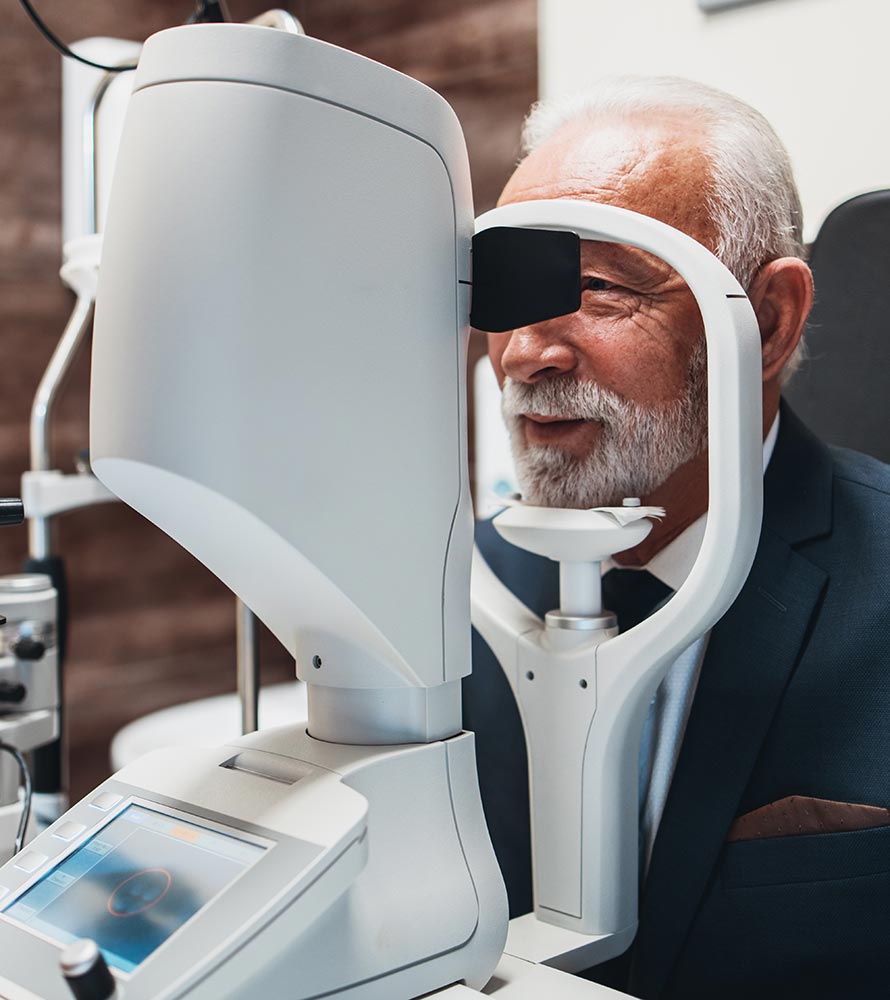
Dr. Abdelhady may evaluate your vision, eye pressure, pupils, cornea, lens, retina, and other structures inside the eye.
If you’re experiencing new flashes or floaters, dilation is often necessary to examine the retina thoroughly and look for a retinal tear or detachment.
Additional imaging or testing may also be recommended depending on what is found.
If your condition requires treatment beyond what can be provided in the office, we’ll help make sure you understand where you need to go and what should happen next.
When to Seek Immediate Emergency Care
Some eye problems should go directly to an emergency department rather than waiting for a routine office visit.
For sudden floaters, flashes, shadows, or other new visual symptoms, contact an eye care provider promptly for guidance.
When vision changes suddenly, it’s always better to ask than to wait.
Seek immediate emergency medical attention for:
- A penetrating eye injury or object embedded in the eye
- Significant chemical exposure
- Severe trauma to the eye or surrounding area
- Sudden or severe vision loss
- Significant bleeding from the eye
- An eye injury accompanied by other serious head or facial injuries
Eye Emergencies FAQs
Are floaters normal?
Floaters become increasingly common as we age, and many people have a few longstanding floaters that aren’t dangerous. A sudden appearance of new floaters or a significant increase in floaters should be evaluated promptly.
Are flashes of light always a retinal detachment?
No. Flashes can occur when the vitreous naturally separates from the retina as part of a posterior vitreous detachment. However, that process can occasionally cause a retinal tear, so new flashes should be evaluated.
Does a retinal detachment hurt?
Usually not. Retinal tears and detachments can occur without pain, which is why sudden visual symptoms such as flashes, floaters, shadows, or a curtain across your vision should never be ignored.
Should I go to the emergency room for an eye injury?
It depends on the injury. Penetrating injuries, severe trauma, significant chemical exposure, major bleeding, and sudden severe vision loss require immediate emergency care. For other injuries, contact an eye care provider promptly for guidance.
What should I do if something is stuck in my eye?
If it’s loose dust or debris, gently rinsing with clean water or sterile saline may help. Don’t rub your eye. If an object appears embedded or has penetrated the eye, do not attempt to remove it—seek emergency medical care.
What should I do if a chemical gets in my eye?
Immediately flush the eye with plenty of clean, lukewarm water. Don’t delay rinsing while trying to contact a doctor. After thoroughly flushing the eye, seek immediate medical evaluation.
Not Sure If It’s an Eye Emergency?
You don’t have to decide on your own whether a sudden change is serious.
If you’re experiencing new floaters, flashes, sudden changes in vision, or an eye injury, contact Holmdel Eye Center so we can help determine the appropriate next step.