
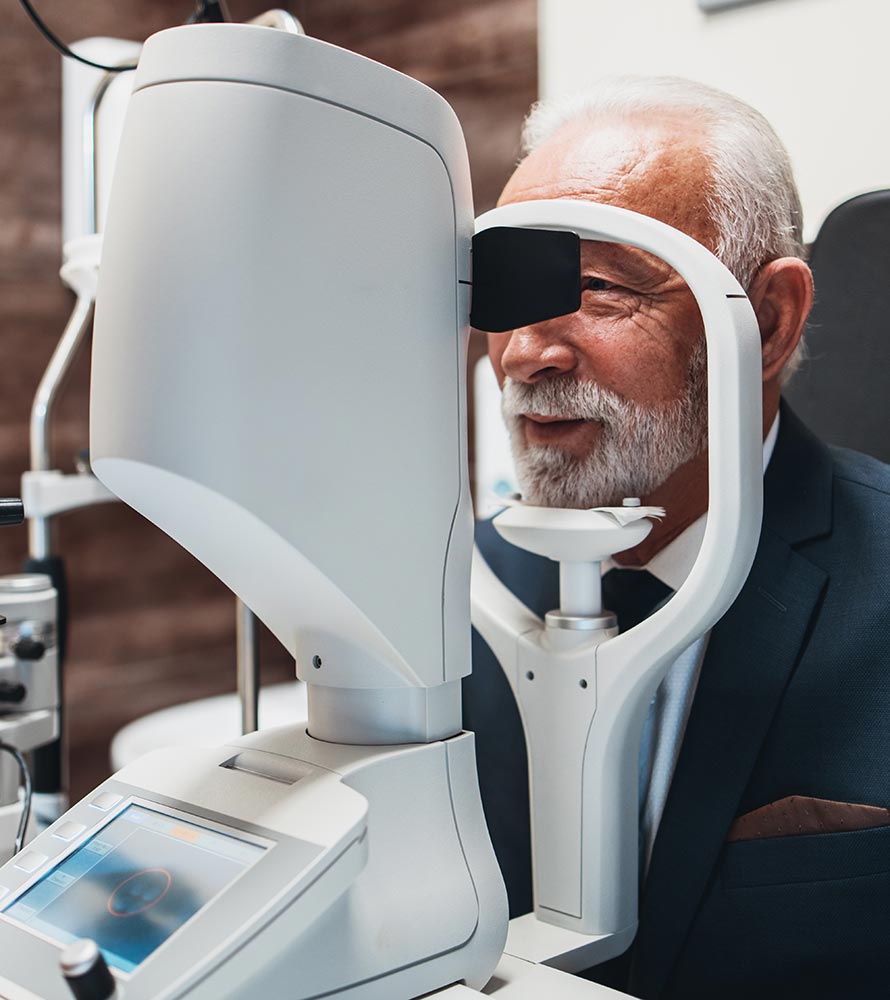
Protect Your Sight Before You Notice It Changing
Glaucoma is often called the “silent thief of sight” for a reason. In its early stages, it can develop without pain, blurry vision, or other obvious warning signs.
That means you may feel like your vision is perfectly normal while changes are occurring inside your eyes.
At Holmdel Eye Center, Dr. Ahmed Abdelhady provides comprehensive glaucoma care focused on early detection, careful monitoring, and personalized treatment to help protect your vision for the future.
What Is Glaucoma?
Glaucoma is a group of eye conditions that damage the optic nerve—the connection responsible for carrying visual information from your eye to your brain.
In many cases, glaucoma is associated with increased pressure inside the eye. However, it is possible to develop glaucoma even when your eye pressure falls within what is considered a normal range.
Damage from glaucoma is permanent, which makes early detection especially important. Treatment cannot restore vision that has already been lost, but it can help slow or prevent additional damage.
The goal is simple: identify glaucoma as early as possible and protect the vision you have.
Would I Know If I Had Glaucoma?
Often, no.
The most common forms of glaucoma typically develop slowly and without noticeable symptoms. Peripheral—or side—vision is often affected first, and these changes can be so gradual that you may not realize they’re happening.
By the time glaucoma begins noticeably affecting your vision, significant optic nerve damage may have already occurred.
That’s why regular eye examinations are especially important if you have risk factors for glaucoma.
You may have a higher risk if you:
- Are over age 60
- Have a family history of glaucoma
- Have elevated eye pressure
- Have diabetes or certain other medical conditions
- Have had an eye injury
- Have used corticosteroid medications for an extended period
- Have certain anatomical features of the eye
- Have previously been told you’re a “glaucoma suspect”
Having a risk factor doesn’t mean you will develop glaucoma. It does mean that closer monitoring may be appropriate.
How Is Glaucoma Diagnosed?
Checking eye pressure is important—but diagnosing glaucoma involves much more than a single pressure reading.
Dr. Abdelhady evaluates several aspects of your eye health to determine whether glaucoma is present and whether changes are occurring over time.
Your evaluation may include:
Eye Pressure Measurement
Measuring intraocular pressure helps identify elevated pressure and track how it changes over time.
Optic Nerve Evaluation
The appearance and health of the optic nerve can provide important information about whether glaucoma damage may be occurring.
Visual Field Testing
Glaucoma can affect peripheral vision before you notice it yourself. Visual field testing helps identify areas of vision loss and monitor them over time.
Advanced Imaging
Detailed imaging of the optic nerve and surrounding structures can help identify subtle changes and track the progression of glaucoma.
Other testing may be recommended depending on your individual eyes and risk factors.
The most important piece isn’t necessarily one test on one day. It’s understanding your eyes and watching for meaningful changes over time.
What Happens If I Have Glaucoma?
Being diagnosed with glaucoma doesn’t automatically mean surgery.
There are several ways to lower eye pressure and manage the condition, and your treatment plan will depend on the type and severity of your glaucoma, your eye pressure, your overall eye health, and how the condition responds to treatment.
Prescription Eye Drops
Medicated eye drops are commonly used to lower pressure inside the eye. Some decrease the amount of fluid the eye produces, while others help fluid drain more effectively.
Laser Treatment
Certain types of glaucoma can be treated with laser procedures designed to improve fluid drainage and lower eye pressure.
Minimally Invasive Glaucoma Surgery
For some patients, minimally invasive glaucoma surgery—commonly called MIGS—can help lower eye pressure using techniques designed to minimize disruption to the eye.
MIGS may sometimes be performed at the same time as cataract surgery, depending on the patient’s glaucoma and overall eye health.
Glaucoma Surgery
More advanced glaucoma may require other surgical approaches to help control eye pressure and protect the optic nerve.
Dr. Abdelhady will explain which options make sense for your eyes and why.
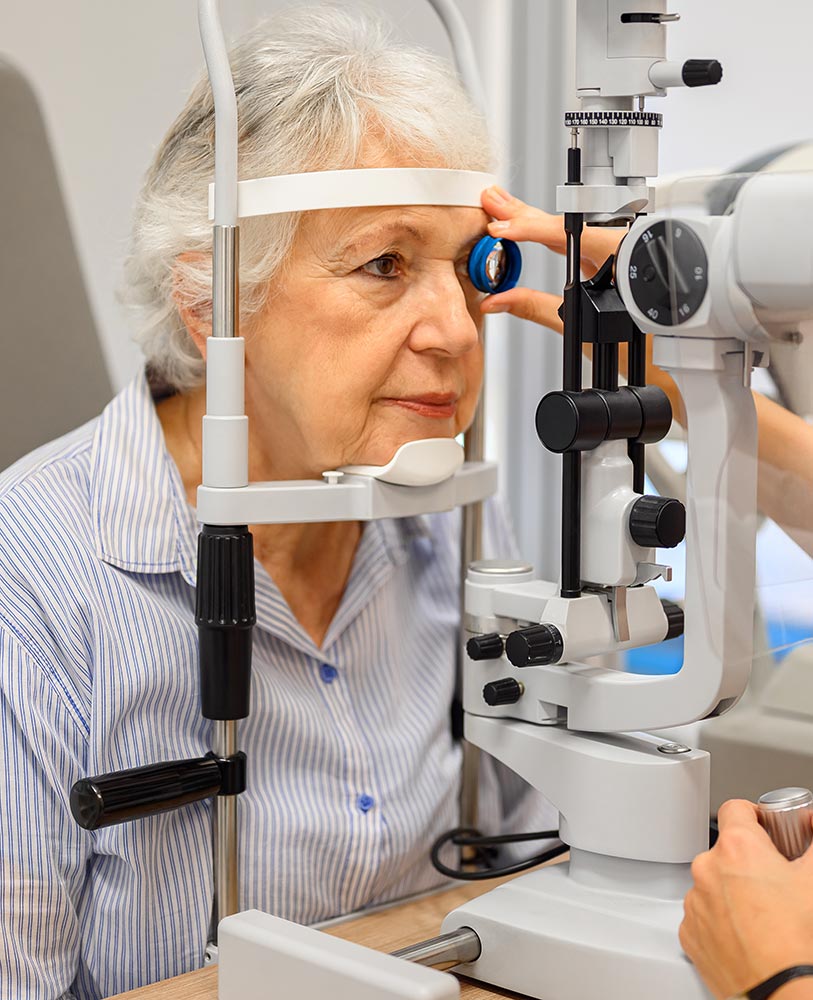
Glaucoma Care Is an Ongoing Partnership
Glaucoma is generally a lifelong condition, but that doesn’t mean it has to control your life.
Successful glaucoma management is about finding a treatment that controls your eye pressure and then continuing to monitor your eyes for changes.
At your follow-up visits, Dr. Abdelhady may repeat pressure measurements, imaging, or visual field testing to see how your eyes are responding.
If glaucoma remains stable, your treatment may stay the same. If something changes, your treatment can change with it.
The goal is always to stay one step ahead of the disease whenever possible.

Personalized Glaucoma Care at Holmdel Eye Center
No two cases of glaucoma are exactly alike.
One patient may simply need careful monitoring. Another may control their eye pressure with medication. Someone else may benefit from laser treatment or a minimally invasive procedure.
Dr. Ahmed Abdelhady takes an individualized approach to glaucoma care, using advanced diagnostic technology and a range of treatment options to create a plan based on your specific eyes.
We’ll help you understand what we’re seeing, what it means, and what you can do to protect your vision moving forward.
Glaucoma FAQs
Can glaucoma be cured?
There is currently no cure for glaucoma, and vision already lost to optic nerve damage cannot be restored. However, glaucoma can often be successfully managed. Treatment focuses on lowering eye pressure and preventing or slowing additional damage.
If my eye pressure is normal, can I still have glaucoma?
Yes. Although elevated eye pressure is an important risk factor, some people develop optic nerve damage even when their pressure measurements fall within the normal range. This is one reason a comprehensive glaucoma evaluation looks at more than eye pressure alone.
Will I notice glaucoma symptoms?
The most common forms of glaucoma usually don’t cause noticeable symptoms early on. Vision loss typically begins gradually in the peripheral vision, making regular eye examinations important for early detection.
Will I need to use glaucoma drops forever?
It depends on your individual treatment plan. Some patients use prescription drops long term, while others may be candidates for laser treatment or surgery that can reduce their dependence on medication. Dr. Abdelhady can discuss which options may be appropriate for you.
Can glaucoma surgery restore lost vision?
Glaucoma treatment is designed to protect the vision you still have rather than restore vision that has already been lost. That’s why diagnosing and treating glaucoma before significant damage occurs is so important.
Is glaucoma hereditary?
Family history can increase your risk of developing glaucoma. If a parent or sibling has glaucoma, make sure your eye doctor knows and ask how frequently your eyes should be examined.
Don’t Wait for Glaucoma to Change Your Vision
Because glaucoma can progress quietly, the best time to find it is before you notice a difference.
If you have glaucoma, elevated eye pressure, a family history of the disease, or have been told you’re a glaucoma suspect, Dr. Abdelhady can help you understand your risk and your options for protecting your sight.